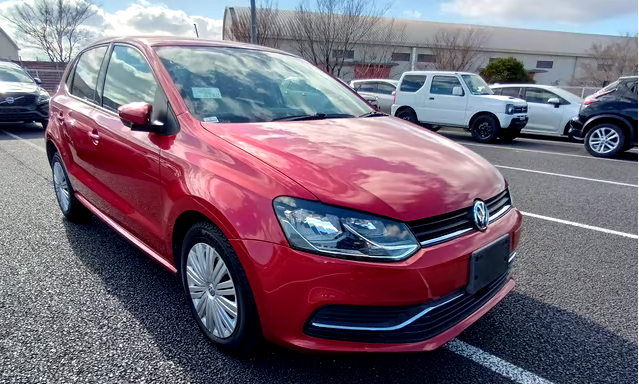
The title VW Polo engines to avoid almost sounds like an oxymoron, considering how reliable Volkswagen engines can be. But not all that glitters is gold. While the Volkswagen Polo offers an amazing list of engines to suit various needs, some engines are known for recurring mechanical issues shared in our common Polo problems post. The type of problems buyers should understand before purchasing. These are the type of reliability issues that will have you befriending every VW mechanic in town.
When Flagship Drive reviewed the Polo, I pointed out its adorable shape, the comfortable seats, and its cool tech. While those sound amazing, the Polo’s selling point is the power. The VW Polo is offered with 1.0-litre 3-cylinder petrol engines, featuring the 80hp 1.0 MPI (non-turbo), 95hp 1.0 TSI (turbo), and 110hp 1.0 TSI (turbo). If you’re someone who loves more oomph, the range-topping Polo GTI uses a 2.0-litre TSI turbocharged engine with 207bhp. What more could you ask for?
However, there are several VW Polo engines to avoid. Let’s go through them one by one with more insight into their common problems.
1. Early 1.2 TSI (EA111) Petrol Engines
One of the most common VW Polo engines to avoid is the 1.2 TSI. This is because early versions of the 1.2 TSI engine are widely associated with timing chain problems. Owners frequently report rattling noises on cold starts, engine misfires, and check engine warnings caused by stretched timing chains or failing tensioners.
Timing chain failure can lead to severe engine damage. Before you buy a used VW Polo, you should confirm whether the timing chain kit has already been replaced with updated components. Vehicles with documented repair history are significantly safer choices, even though they might be older models.
As I always say, it’s better to have an old but well-documented car than a newer but undocumented one.
ALSO, CHECK OUT: What TSI Means in Volkswagen Cars (And How It Works)
2. Early DSG Paired Small Turbo Engines
In many Volkswagen Polo models, some smaller turbocharged engines paired with early DSG transmissions can be problematic. Even moreso in heavy urban driving conditions. You may experience jerky gear changes and hesitation when driving. Some Polo owners report transmission warning lights.
The issue is not always the engine itself. It’s usually the combination of high torque from turbocharged engines and the dry-clutch DSG system used in certain models. Buyers should prioritise vehicles with full service records and evidence of DSG servicing or software updates.
ALSO, CHECK OUT: 2024 Volkswagen Golf R: Features, Specs, Performance And Price
3. High-Mileage 1.4 TDI Diesel (Poorly Maintained Examples)
In general, high-mileage cars have to be checked for many issues, as they often have problems caused by wear and tear. But most cars can make worthy purchases. The VW Polo’s 1.4 TDI diesel engine can be durable when maintained properly. But if the engine isn’t well maintained, it can suffer from injector problems, turbo wear, and DPF blockage. Diesel-powered Polos used mainly for short city trips are especially vulnerable to carbon build-up issues.
When buying, check for smooth engine operation, consistent service history. Make sure to also check for signs of regular, longer-distance driving that help maintain the diesel emissions system.
So, which VW Polo Engines are the most reliable?