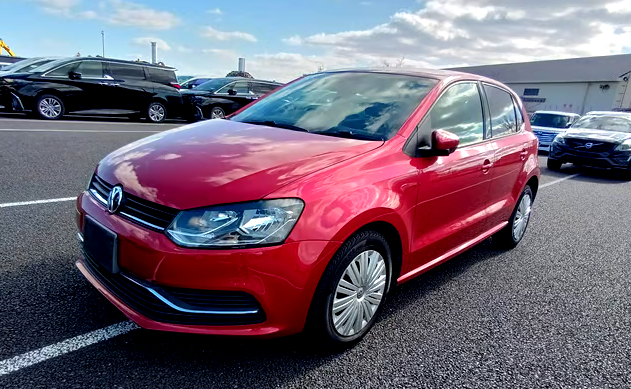
If you’re a potential buyer, a Polo owner, or you’re interested in learning more about the hot hatch, this article covers the top Volkswagen Polo problems. We will further explore the symptoms, causes, and recommended fixes for these VW Polo problems.
The Volkswagen Polo has been a fan favorite for as long as I can remember. In many African countries like Kenya, South Africa, Malawi, and Zimbabwe, the VW Polo is among the most modified cars. Last time Flagship Drive reviewed the VW Polo, I admired its comfort, speed, and how you just can’t get enough of it when you’re behind the wheel. It has a solid build quality, decent fuel efficiency, and a refined drive. If you want more of that, you can always read our preview.
However, like many modern small cars, the VW Polo has several problems that you should know about. Most of these Volkswagen Polo problems range from engine and its components to transmission issues, with some noticeable in specific model years.
1. DSG Gearbox Problems
One of the most common problems with the Volkswagen Polo is related to the DSG dual-clutch automatic transmission. Owners commonly experience jerky gear changes, warning lights or sudden loss of drive. Some Volkswagen Polo models may even hesitate during acceleration, as noted by FixMyCar.
The VW Polo’s transmission problems are often caused by mechatronic unit failure, clutch wear, or contaminated transmission fluid. The dry-clutch DSG used in some smaller engine variants is especially sensitive to stop-and-go traffic and poor maintenance.
Fixing the gearbox issue in the Polo depends on the exact issue. Fixes range from software updates and fluid servicing to replacing the mechatronic unit or clutch pack. Regular DSG servicing (even if marketed as “sealed for life”) greatly reduces risk.
2. Timing Chain Issues (TSI Engines)
Certain 1.2 TSI engines, especially earlier versions, have issues like timing chain stretch or tensioner failure. Symptoms include a rattling noise on cold start, engine misfires, poor performance, or check engine lights.
The timing problem in the VW Polo occurs due to premature wear in chain components, which can eventually cause severe engine damage if ignored.
Replacing the timing chain kit early is the safest solution. Buyers should verify whether this work has already been done.
3. Fuel Injector Failure
Fuel injectors on some Volkswagen Polo models can develop cracks or internal faults earlier than expected. And when that happens, drivers may notice rough idling, poor fuel economy, and loss of power. Sometimes, engine misfires in a VW Polo can be the result of fuel injector failure.
The injector problem in the Polo is often caused by low-quality fuel. However, internal solenoid failure can also lead to injector issues, although this is a more expensive fix.
In minor cases, cleaning might fix the injector problem. If low-quality fuel was the cause, using premium fuel might be an easy fix. But most failures require a full injector replacement. Consider using quality fuel and regular servicing to extend the lifespan of your VW Polo engine and internal components.
4. Ignition Coil and Spark Plug Problems
Engine misfires are one of the most common Volkswagen Polo problems, especially in the petrol-powered versions. This is because of failing ignition coils or worn-out spark plugs. This can lead to symptoms like rough running, reduced power, or engine vibration.
What causes the coil to fail? Well, heat stress and normal wear can lead to ignition coil degradation over time. The occurrence of this issue usually points to service neglect.
The best way to fix the misfire problem in the VW Polo is to replace faulty coils and install new spark plugs. This will restore performance quickly.
5. Turbocharger Failure
A lot of the Volkswagen Polo engines are turbocharged, which gives the car the thrilling drive and speed we all love. This is specifically the 1.0-litre TSI three-cylinder engines (available with 95 PS or 110 PS). Higher-performance versions, including the Polo GTI, feature a 2.0-litre TSI turbo engine. Turbocharged engines may experience turbo wear, especially if oil changes are neglected.
If your VW Polo has turbocharger problems, you may experience symptoms like loss of power, whining noises, excessive smoke, or increased fuel consumption. This is often the result of poor lubrication or aggressive driving habits, sometimes both.
If your car has a faulty turbo, the most recommended fix is replacing it with a new one. To prevent turbo problems in the future, make sure your VW Polo undergoes regular oil changes with the correct specifications. Also, allowing the turbo to cool after hard driving can help prevent expensive repairs.
6. Clutch Wear (Manual and DSG)
The manual and DSG Polos can suffer premature clutch wear, especially in heavy city traffic. If the clutch is worn out, you might experience things like slipping and difficulty changing gears, which are some of the most complained-about Volkswagen Polo problems. One alarming sign you may notice is that your Polo will rev without acceleration.
Clutch wear is often accelerated by your driving style, i.e., things like aggressive launches. As noted earlier, it is often caused by frequent stop-start driving, such as in heavy traffic.
Either way, if your clutch is slipping and you have problems changing gears in your Polo, make sure to have the clutch assembly replaced.
7. DPF Blockage (Diesel Models)
Diesel VW Polos are built for long distance travels, and they often have better fuel consumption to go with it. But if you often use the diesel model for short trips, you may experience a Diesel Particulate Filter (DPF) blockage. When the DPF is blocked, your Polo will exhibit issues like reduced power, warning lights, and poor fuel economy.
Every diesel-powered car has a DPF. These cars need regular long drives at a steady speed to burn off the accumulated soot. And so does your Polo. A forced regeneration drive or professional cleaning usually solves early-stage blockage.
8. Suspension and Steering Wear
Older or high-mileage Polos may develop worn suspension bushings, struts, or ball joints. Drivers may notice signs such as knocking noises or uneven tyre wear. CarExaminer also notes that Polo owners may experience a loose steering feel.
Suspension issues are often caused by poor road conditions. Over time, the suspension components can still wear out normally. Either way, the best fix to the VW Polo’s suspension issues is to replace the worn-out components. This restores the ride quality and handling.
9. Cooling System and Water Pump Failure
Some Polo owners report water pump failures. This is a big issue as it can often lead to overheating. Warning signs include coolant leaks and temperature spikes. According to CarCargo.com, your car may show you overheating warnings. None of these signs should be ignored.
The overheating issue in the VW Polo is the result of broken water pump seals and faulty bearings. These normally wear out over time.
To fix the cooling system, consider replacing the pump and refreshing the coolant to prevent major engine damage.
10. Electrical and infotainment Glitches
Modern VW Polos occasionally suffer from electrical issues. These problems may range from sensor faults, touchscreen freezing, or connectivity problems.
Most of these electrical problems are software-related. Software updates, battery health checks, or sensor replacement usually resolve the issue.
Electrical issues caused by hardware problems may be due to damaged wiring. You can fix that by checking the wiring itself and making sure all wires are configured correctly.